Skip to content
Specialty coffee from Uganda

Empowering Ugandan coffee farmers, from seed to cup

Born in Africa and rooted in community, Kifaru Roasters uplifts Ugandan coffee farmers through sustainable farming, ethical trade and world-class coffee. We honour heritage while building a future of dignity, resilience and prosperity.

  • Direct, transparent trade
  • Farmer training & seedlings
  • Roasted in Uganda
500+
Farmers supported
10,000+
Seeds & seedlings distributed
$50K+
Direct support provided
40%
Average income increase
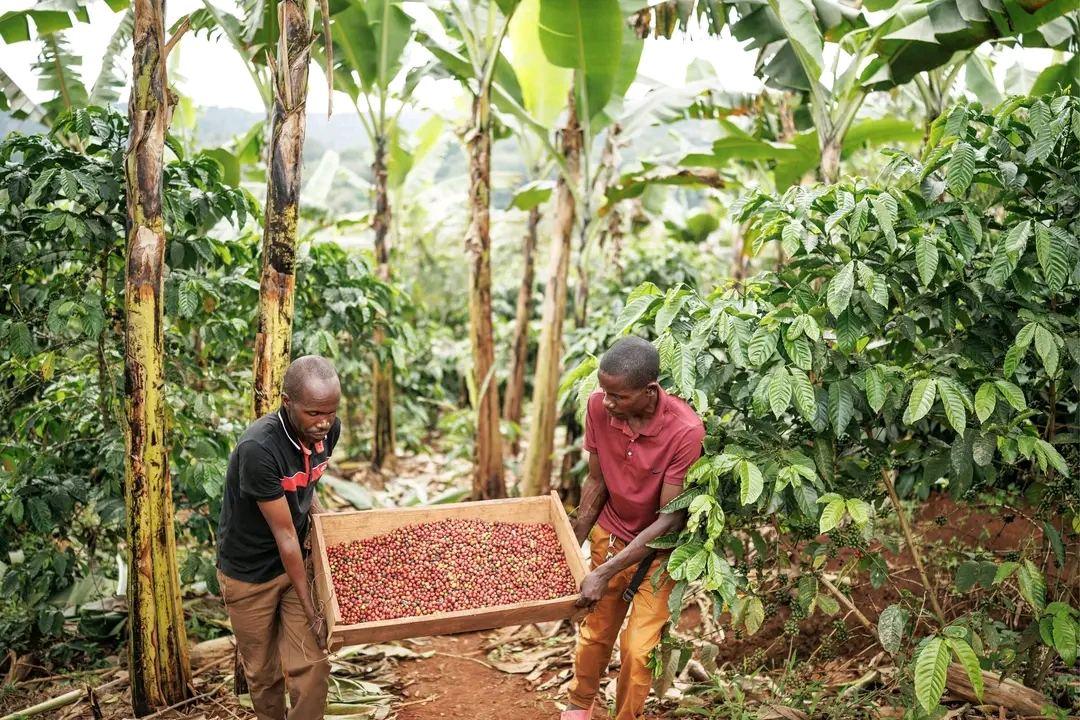
Two Ugandan farmers carry a tray of freshly picked red coffee cherries between coffee and banana plants
Empowering communitiesSince 2014
Our story

Built on strength, driven by purpose

Kifaru Roasters was founded by Kiweewa Farouk, inspired by the strength and dedication of his mother, Nakayima Harriet, and the communities that shaped him.

We work alongside smallholder farmers at every stage of the value chain, and we roast exceptional coffee that carries the story of Africa to the world.

  • Quality seedlings and hands-on agronomy training
  • Fair, transparent prices with premiums for quality
  • Small-batch roasting that honours each origin
Read our story
What we do

Our four core pillars

Four connected ways we support farmers and deliver exceptional coffee to the world.

Growing & seed support

Clean, disease-resistant planting material and field training that raise yields, quality and long-term resilience.

Our approach

Coffee roasting

Precise, small-batch roasting that honours each bean’s origin and meets international quality standards.

Explore our process

Market access

Direct links between farmers and buyers, with transparent pricing and premiums that reward quality.

See how

Fundraising & empowerment

We mobilise resources for training, equipment, water access and community infrastructure.

Support us
From seed to cup

Quality is built at every step, long before roasting

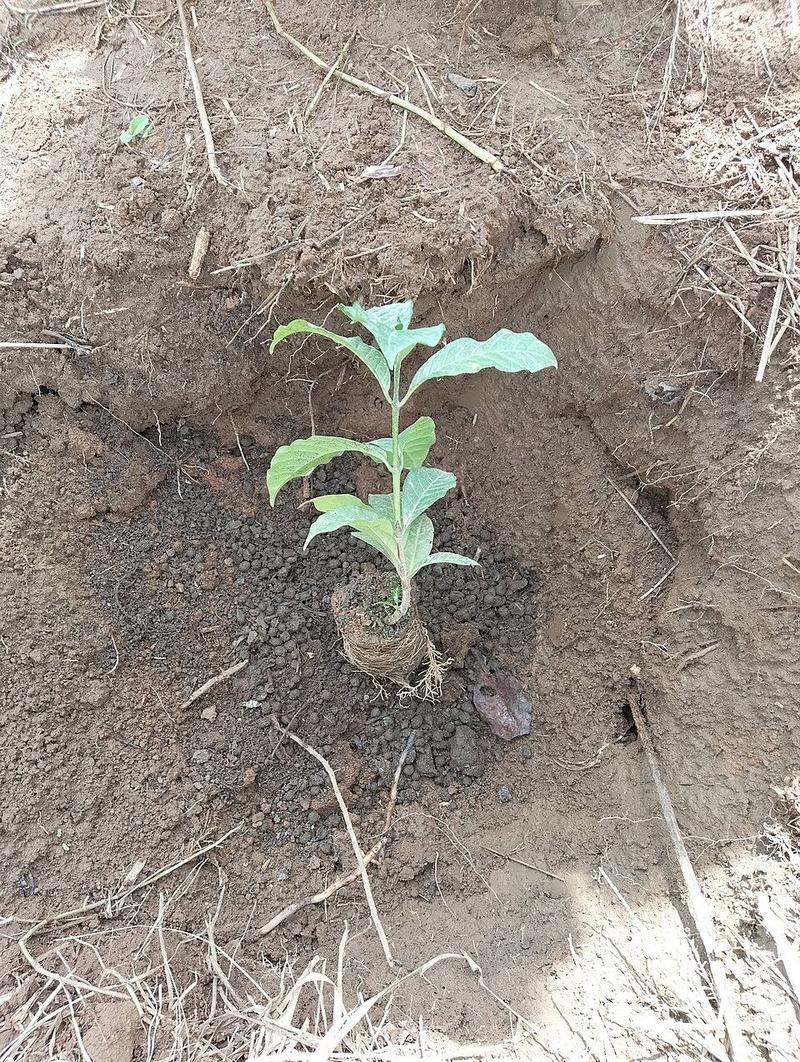
A young coffee seedling freshly transplanted into a planting hole
01

Plant

Certified, disease-resistant seedlings give every farm a strong start.

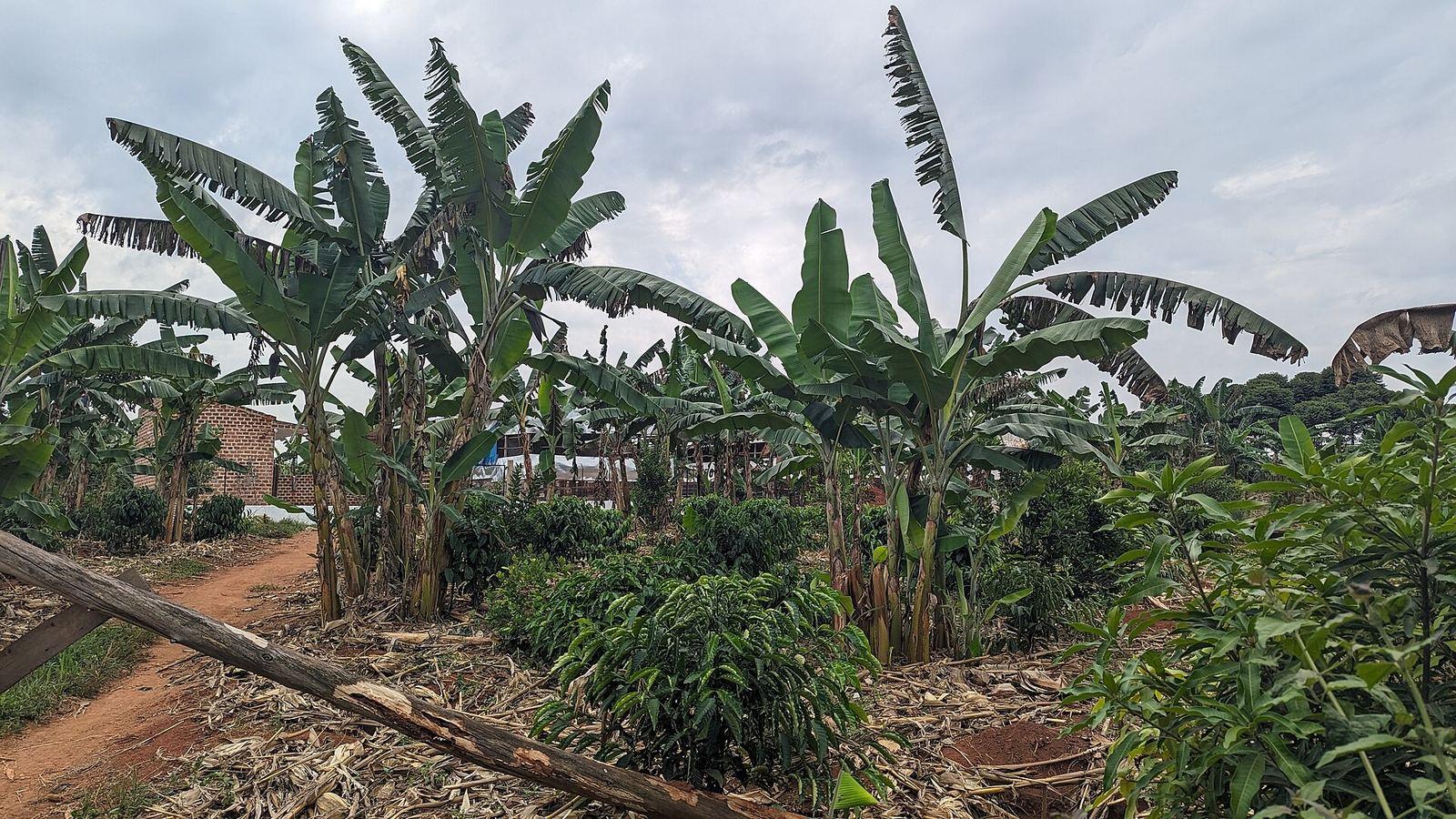
Coffee growing under banana plants on a Ugandan smallholder farm
02

Grow

Shade, mulch and pruning protect the soil and the trees.

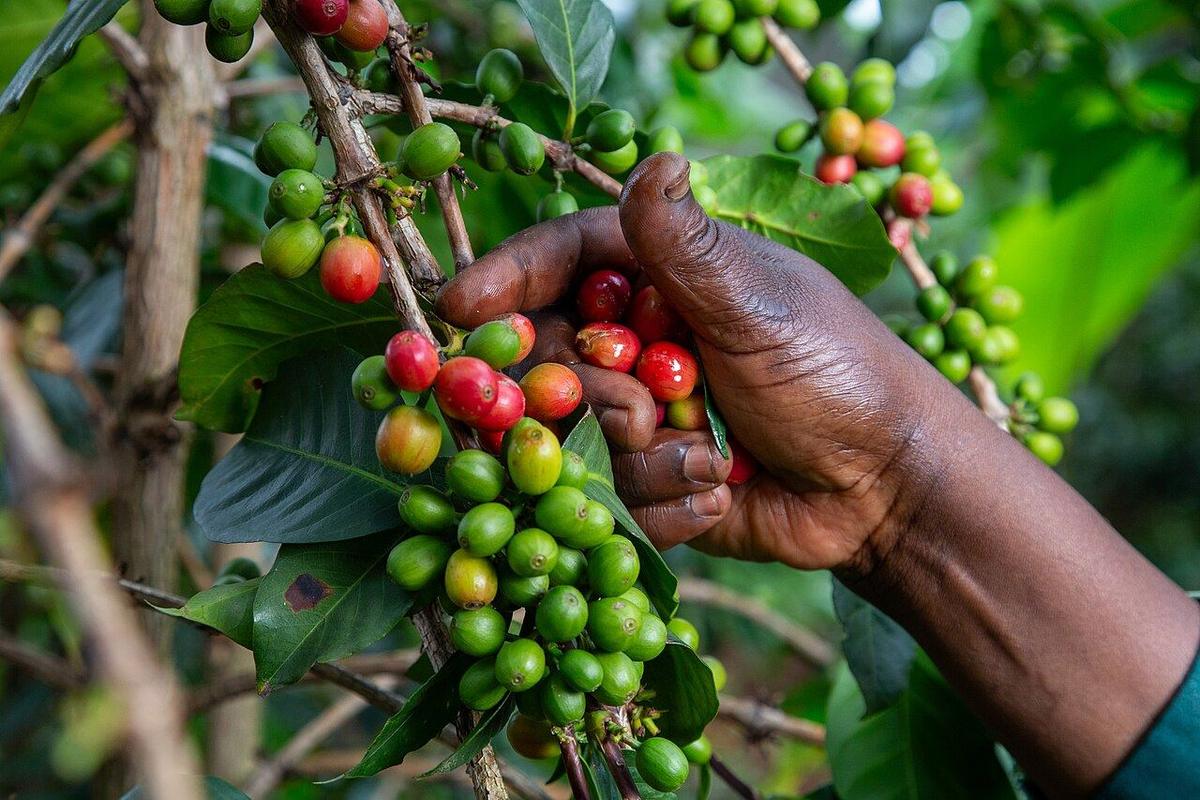
A farmer’s hand selectively picking ripe red coffee cherries
03

Harvest

Only ripe, red cherries are picked by hand.

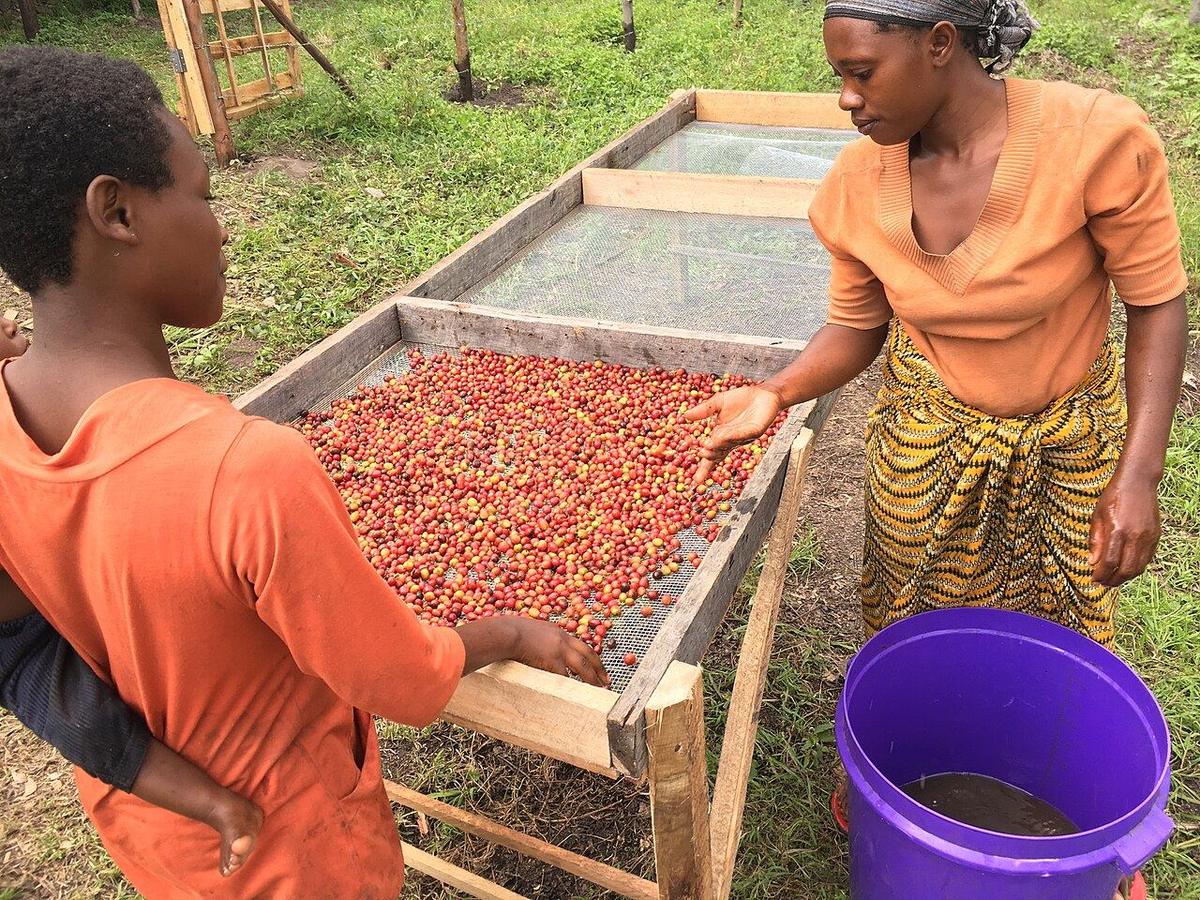
Two women spreading coffee cherries on a raised drying bed
04

Process

Careful drying on raised beds locks in clean, sweet flavour.

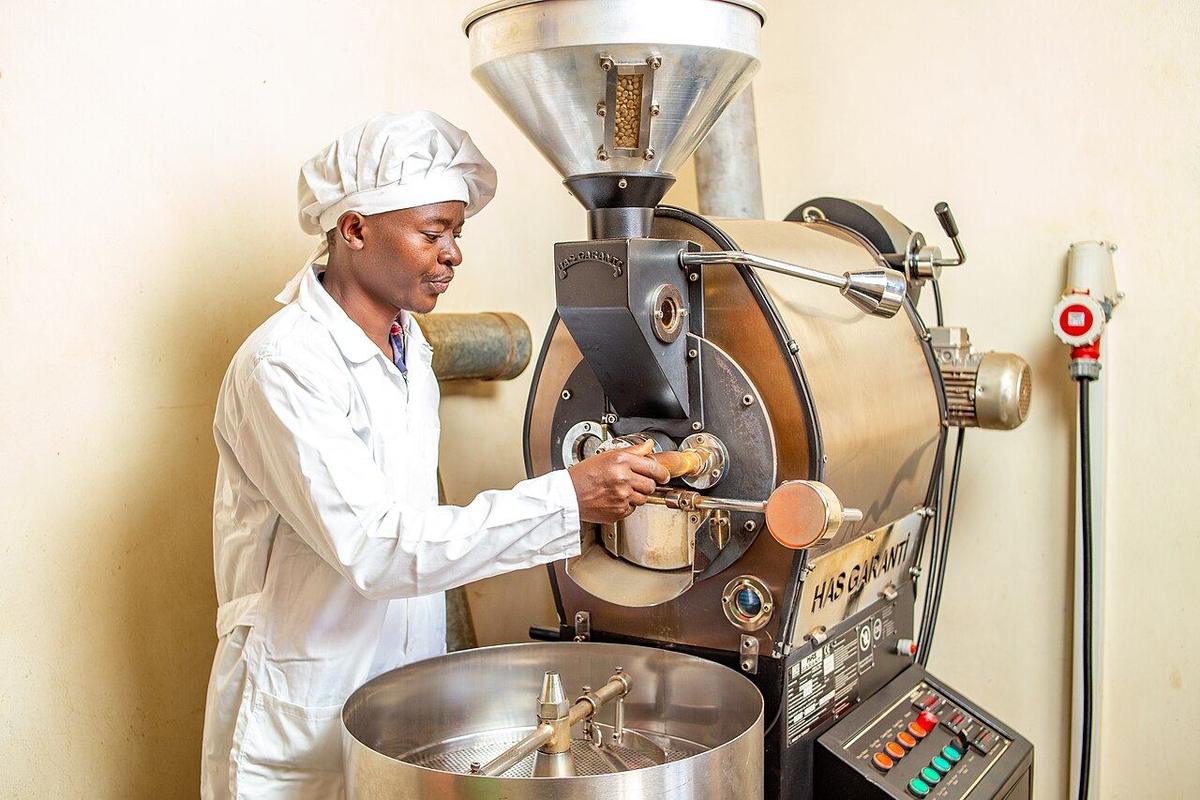
A roaster in a white coat checking beans in a drum roaster in Uganda
05

Roast

Small batches roasted, cupped and profiled for consistency.

Our coffees

Two species, one remarkable origin

Uganda is one of very few countries that grows both fine Arabica and world-class Robusta at scale.

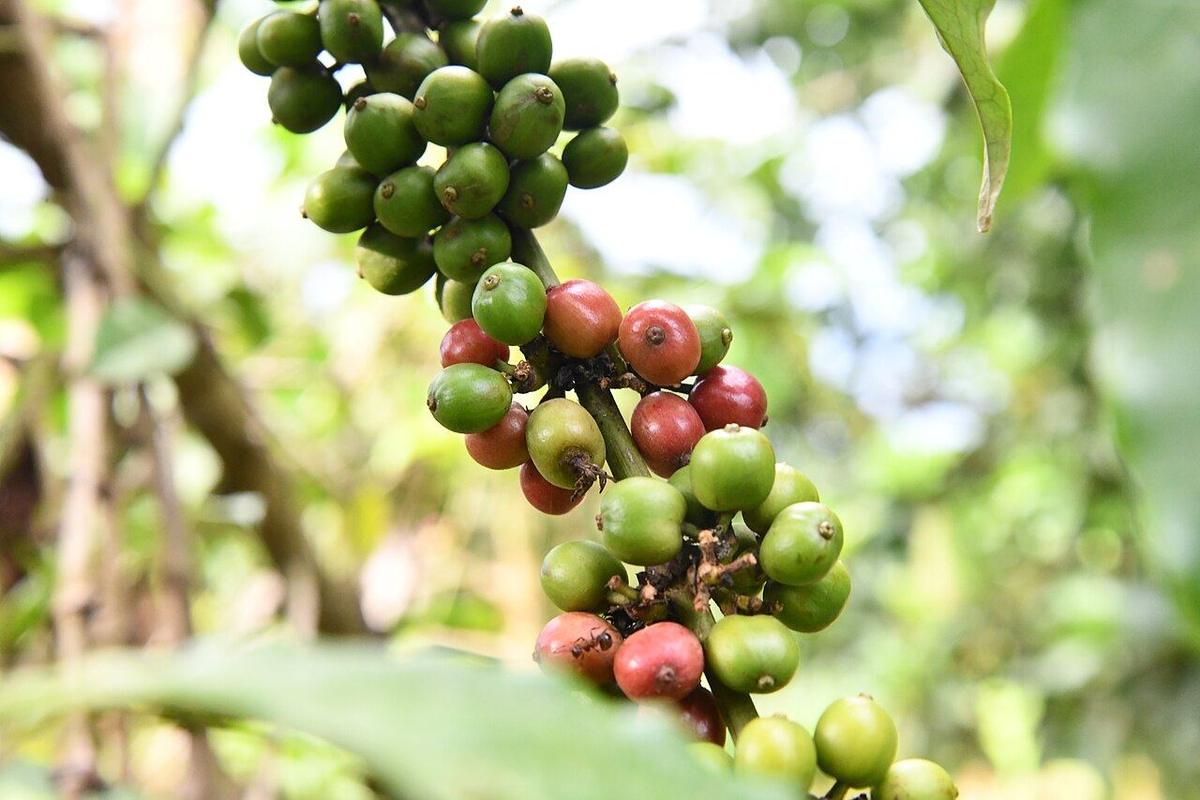
Clusters of ripening red and green coffee cherries on a Ugandan coffee branch

Arabica

Highlands
Grown in
Mt. Elgon (Bugisu), Rwenzori, West Nile
Altitude
1,300–2,300 m
Process
Mostly washed; some natural
In the cup
Bright acidity, floral, citrus, cocoa, wine-like sweetness
Learn more about Arabica
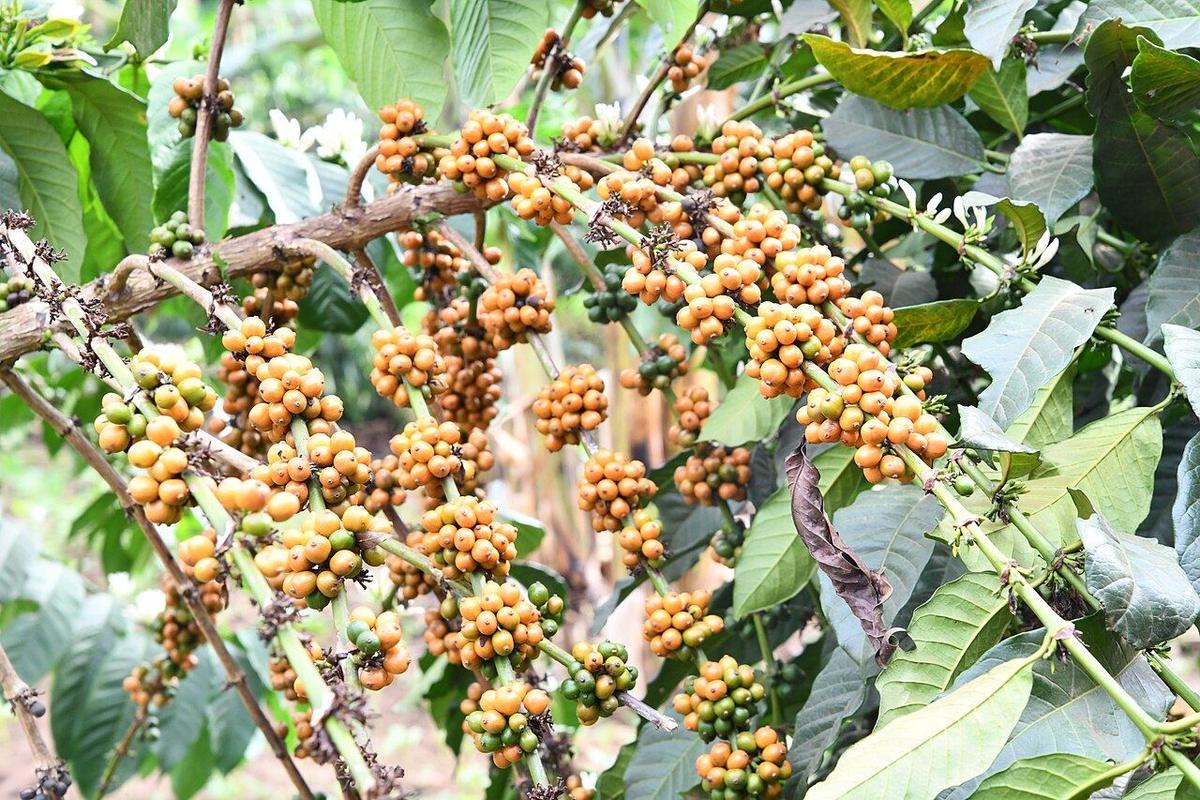
Dense clusters of ripening Robusta coffee cherries along a branch

Robusta

Native to Uganda
Grown in
Central, South-Western & Mid-Western Uganda
Altitude
900–1,500 m
Process
Mostly natural; growing washed & fine Robusta
In the cup
Full body, dark chocolate, nutty, low acidity
Learn more about Robusta
Farmer stories

Real farmers. Real change.

Before Kifaru, I struggled to get fair prices for my coffee. Now I have direct market access and my income has doubled. I can send all my children to school.

Agnes NamusisiCoffee farmer, Mt. Elgon

The training on sustainable farming and the quality seeds transformed my farm. My yields increased by 40% and my coffee now sells as premium grade.

David MugishaCoffee cooperative leader

Kifaru doesn’t just buy our coffee. They invest in our future. The equipment support and market linkages have changed everything for our community.

Sarah NalongoSmallholder farmer
Get involved

Join us in empowering coffee farmers

Your support funds seedlings, training, drying and processing equipment and water access. Every contribution goes directly to farming communities.